作者/来源:NADPH 发布时间:2026-08-11
Language, Rule, and the Hybrid Imperial Tradition in Ming China
作者:罗愚翰(Johannes S. Lotze)
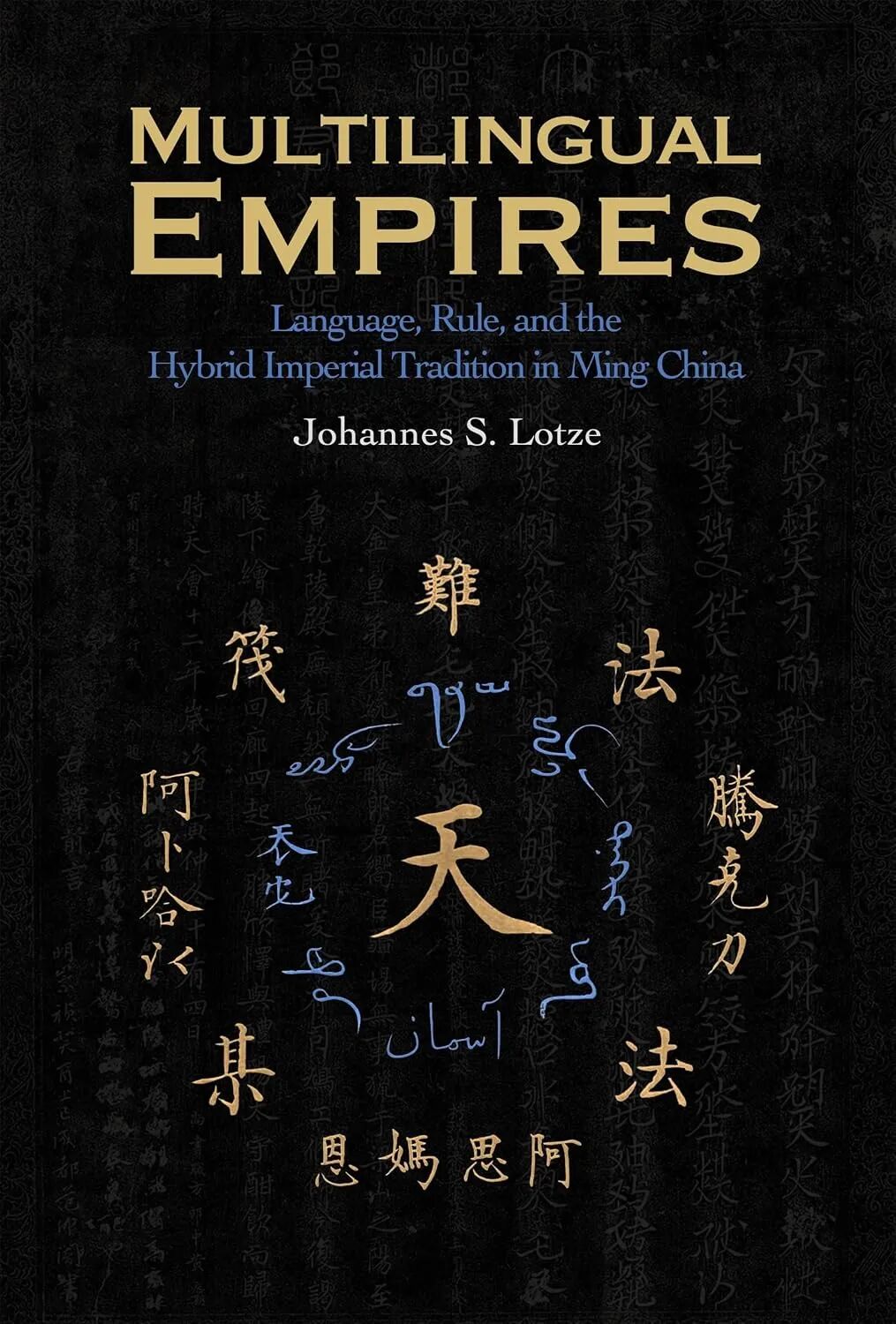
《多语帝国》对明代中国进行了重新诠释,将其视为一个拥有语言多样化人口的政体,且其政府积极培养多语专才,以制作文献、铭文及纪念性展示物。基于对以汉文、蒙古文、波斯文、藏文和傣文(Tay)书写的外交文书、译本、物质遗存以及多语种词汇表的深入考察,罗愚翰探讨了语言政策、翻译实践以及文字选择是如何塑造明朝的统治及其自我表述(self-representation)的。
通过将明朝置于跨朝代与全球比较的视野中,作者展示了明代统治者是如何继承并重塑蒙古人在语言使用与国家治理方面的“文化杂糅”(cultural hybridity)遗产的。尽管明朝推崇汉语作为内部沟通的主要媒介,但其仍通过使用多种外交语言延续了这种混合帝国传统。与清朝统治者将非汉语语言纳入核心行政体系不同,明朝发展出了一种更具限制性但又高度系统化的多语主义(multilingualism)模式。
与从元朝到奥斯曼帝国等其他多语帝国一样,明代统治者采取了特定策略来管理多语知识——从培养语言中介者到赞助大规模的翻译工程。由此,翻译与多语主义不再仅仅是实用的工具,而是帝国统治象征性建构的核心手段。本书将政治史与语言史相融合,为理解前近代欧亚大陆帝国、语言与权力之间的互动关系提供了一个全新的分析框架。
作者:罗愚翰(Johannes S. Lotze),耶路撒冷希伯来大学马丁·布伯研究员学会(Martin Buber Society of Fellows at Hebrew University of Jerusalem)博士后研究员。
ISBN(国际标准书号):9780674308268
出版机构:哈佛大学亚洲中心 (Harvard University Asia Center)
规格:350页 | 10幅照片 | 10幅彩色照片 | 2幅彩色地图 | 3张表格 | 1幅图表
学科分类:历史 / 亚洲史 (History / Asia) | 历史 / 世界史 (History / World) | 社会科学 (Social Science) | 政治学 (Politics)
Publication date: 03/09/2027
Multilingual Empires reinterprets Ming China as a polity with a linguistically diverse population and a government that actively cultivated multilingual expertise to produce texts, inscriptions, and monumental displays. Drawing on diplomatic documents, translations, artifacts, and multilingual glossaries written in Chinese, Mongolian, Persian, Tibetan, and Tay, Johannes S. Lotze examines how language policy, translation practices, and script choice shaped Ming rule and self-representation.
By situating the Ming in a cross-dynastic and global comparative perspective, Lotze shows how Ming rulers inherited and reshaped a Mongol legacy of cultural hybridity in language use and governance. The Ming continued this hybrid imperial tradition by employing multiple diplomatic languages, even as they promoted Chinese as the primary internal medium of communication. In contrast to the Qing, whose rulers incorporated non-Chinese languages into their core administration, the Ming developed a more restricted yet highly systematic approach to multilingualism.
As with other multilingual empires, from the Yuan to the Ottomans, Ming rulers adopted specific strategies for managing multilingual knowledge—from training language mediators to sponsoring large-scale translation projects. Translation and multilingualism emerge not merely as practical tools but as central instruments in the symbolic construction of imperial rule. Integrating political and linguistic history, this book offers a new framework for understanding the interplay of empire, language, and power in premodern Eurasia.
Johannes S. Lotze is a Postdoctoral Fellow at the Martin Buber Society of Fellows at Hebrew University of Jerusalem.
350 pages, 10 photos, 10 color photos, 2 color maps, 3 tables, 1 chart
Harvard University Asia Center